
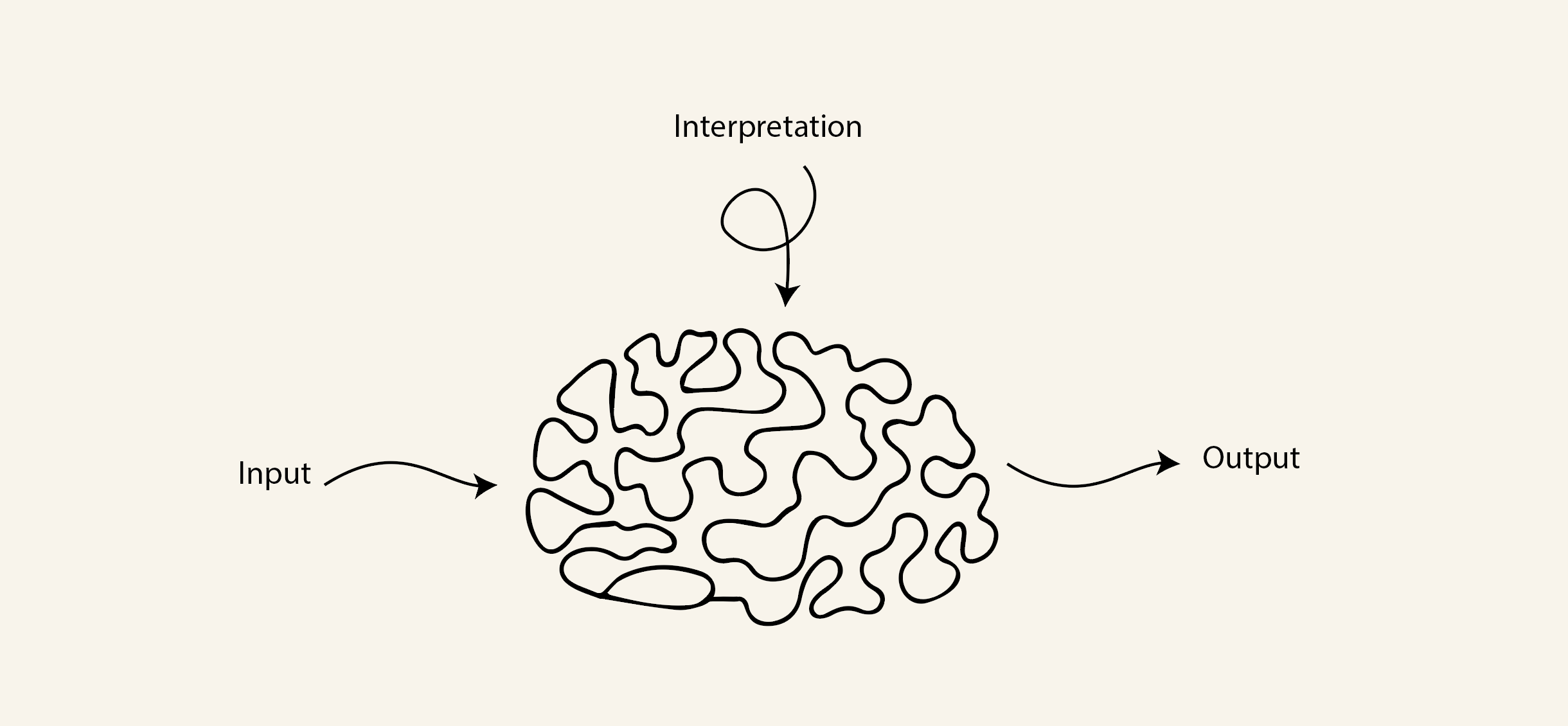
neuroathletics
Optimize your software for maximum performance.
Your brain is in charge of every movement. When the information from your eyes, your sense of balance, and your body awareness is unclear, your body responds with pain, stiffness, or a decline in performance. This is exactly where we come in: Through targeted neural impulses, we restore the confidence your brain needs to unleash your full strength and mobility.
For whom is neuroathletics the key to success?
Neuroathletics targets the brain. It is suitable for anyone who isn't content with the status quo—whether they are a child, teenager, or adult.
This approach is perfect for you if:
Your body is "slowing down": You're struggling with recurring pain or stiffness that limits your daily activities.
Your coordination is off: You feel unsteady on your feet or are looking for more stability in your movements.
You're missing the next level: You're physically active, facing professional challenges, or under pressure at school, and you want to perform at your best.
The road to recovery can be tough: You want to regain your usual strength faster and more safely after injuries or surgeries.
Development needs support: Your child should be able to perform movements with greater precision, power, and confidence.
The perfect complement for sustainable progress
Neuroathletics is much more than just training. It is a powerful complement to traditional pediatric therapy, neurological care, or developmental support. We don’t work harder; we work smarter —so that movement can once again be efficient, precise, and pain-free.
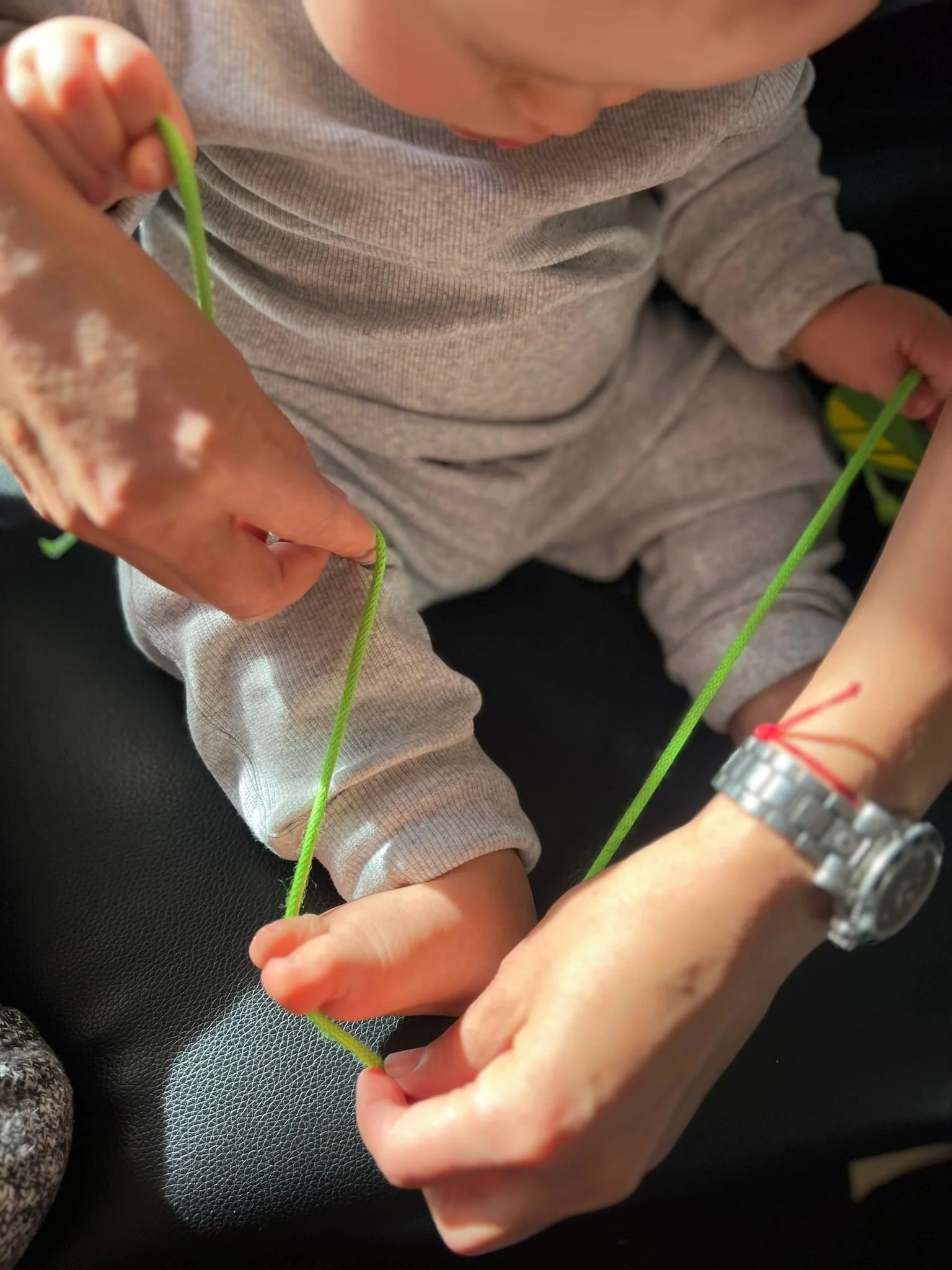
This is how we’ll find your key to greater ease.
Every session is a journey of discovery for your nervous system. We aren’t looking for mistakes, but rather for the right stimuli to release your “inner brake.”
Here's how your session will proceed:
Focusing on your goals: Let’s start with a quick check-in: What’s holding you back right now? Where would you like to feel more strength, confidence, or freedom from pain?
A check-up for your system: Using simple tests, we assess your mobility, stability, and perception. This allows us to see right away how your brain responds to various stimuli.
Targeted neural inputs: We use precise stimuli to stimulate your eyes, your sense of balance, and your body awareness. These are often small, gentle movements with a big impact.
Immediate feedback: After each exercise, we check right away: Has your range of motion increased? Is the pain less? Do you feel more stable? Your nervous system gives us the answer in real time.
Quality over quantity: It’s not about doing “a lot,” but about doing the right things in the perfect amount for your system. To ensure these new patterns stick in the long term, I’ll put together a short, personalized program for you to do at home. Just a few minutes a day are enough to deeply anchor these changes in your nervous system.
Training for the brain, nervous system, and movement
The Neuroathletics according to Lars Lienhard is a neuro-centered approach that begins where every movement originates: in the brain and the nervous system. It combines targeted exercises for the eyes, the vestibular system, breathing, and body awareness to improve your motor output, meaning:
power
coordination
speed
quality of movement
How does neuroathletics affect the nervous system?
The central idea is that the brain decides how safe a movement is. If a movement feels "unsafe," the nervous system often reacts with protective strategies such as pain, tension, or movement restrictions.
In neuroathletics, we work with:
The visual system (eye movements, fixation, gaze stability)
The vestibular system (balance and spatial orientation)
Proprioception (body awareness, joint and muscle sense)
Breathing as a regulatory gateway to the nervous system
These neurologically oriented stimuli provide the brain with clearer information from the body. This can lead to easier, more coordinated, and safer movements and a reduction in pain signals.
What can neuroathletics do for you?
The goals of neuroathletic coaching can include:
Greater ease and confidence in movement
Improvement of strength, flexibility, and coordination
Reduction of pain and tension patterns
Better spatial orientation and balance
Clearer body awareness and greater confidence in your own body
Neuroathletics fits seamlessly into my overall offering: it supports the connection between body and brain, promotes neuroplasticity, and complements work with movement and perception in both children and adults.
If you feel that you want to specifically train your movement, nervous system, and performance, neuroathletics can be a useful building block on your journey.

The first step is really simple.
Give me a call for a free 15-minute initial consultation. We’ll discuss your concerns or your child’s situation at your leisure and with no obligation.
+41 79 680 53 10
Clinic at Klusplatz, Zurich District 7
Hofackerstrasse 75
8032 Zurich